Somewhere around grade six or seven, most families cross the same line: the kids get home before the parents do. The question stops being whether they are capable and becomes how you actually know they are home, and what happens if something is wrong.
For a long time the answer was a key under the mat and a phone call. There is a much better version now, and the parts of it that matter are cheap.
First, the honest part about age
Ontario does not set a simple legal age at which a child may be left alone. The Child, Youth and Family Services Act works the other way around: for a child under 16, a parent must make provision for supervision that is reasonable in the circumstances. What is reasonable depends on the child, the length of time, the time of day and what could go wrong. If you are unsure where your situation sits, that is a question for a professional, not for a security company. What we can do is make whatever arrangement you choose safer and easier to keep an eye on.
Get rid of the hidden key
Everyone thinks their hiding spot is clever. None of them are, and a key under a mat, in a fake rock or on the ledge above the door is the first place anyone looks. Worse, a lost key means re-keying the house, which nobody ever actually gets around to doing.
A keypad or smart lock solves it properly, and the real advantage is not convenience, it is that codes are individual and disposable. Each person gets their own: one for each child, one for the grandparents, one for the dog walker, one for the cleaner. If a code gets shared around the schoolyard, you delete that one code in ten seconds and nothing else changes. Try doing that with a key.
Two settings worth using from day one. Give temporary codes an expiry, so the cleaner's code stops working on its own rather than living in your lock forever. And if your lock supports auto-lock after a set delay, turn it on, because a child who forgets to lock the door is not a discipline problem, it is a design problem you can remove.
Know they are home without texting to ask
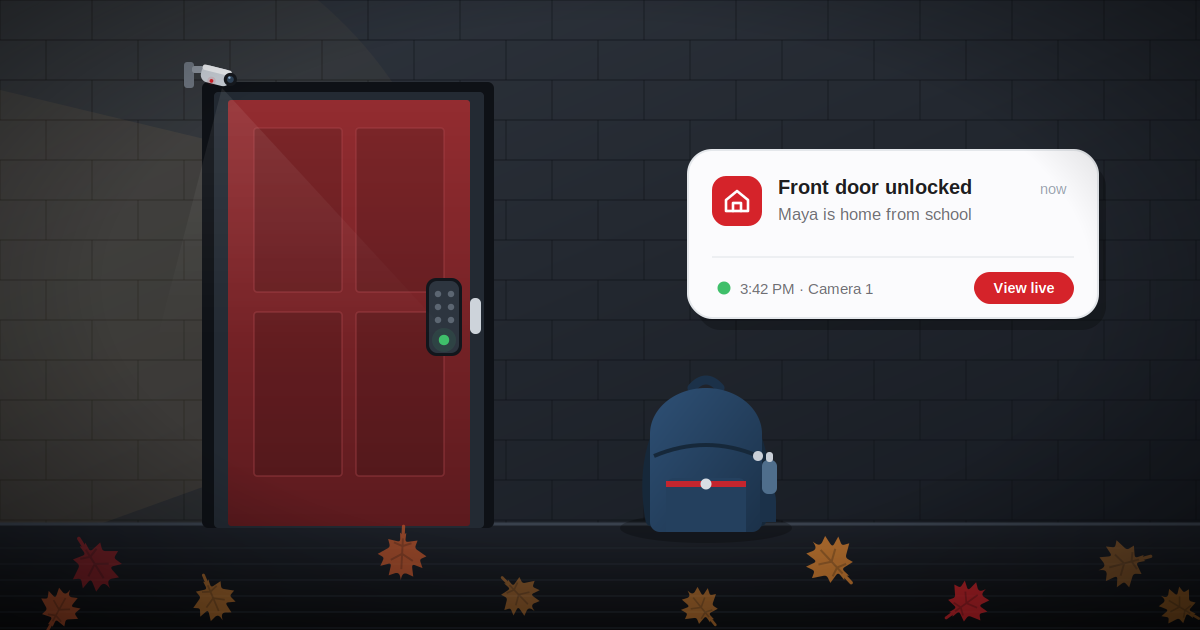
This is the part parents actually want. When a code is entered on the lock or the alarm is disarmed, you get a notification saying which code was used and when. Not "someone opened the door", but "Maya, 3:42".
Two refinements make it far more useful:
- Alert on the absence, not just the arrival. Some systems will tell you if nobody has disarmed by a set time. An alert at 4:15 saying nobody is home yet is worth more than the one at 3:42 saying everything is fine.
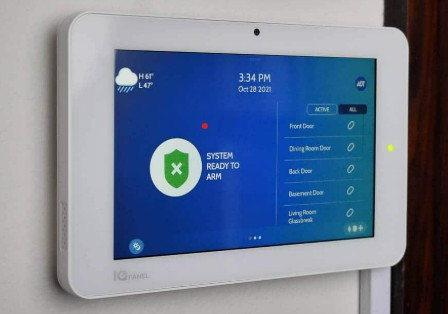
- Let the system re-arm itself. Kids forget. A schedule that puts the alarm back into a home-armed state in the evening means the house is protected even on the days nobody thought about it.
Cameras: where to put them, and where not to
This is where families should think carefully, because a camera can quietly change the relationship you have with your own kids.
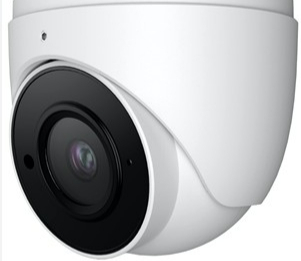
What works well: a doorbell camera and a camera covering the front door and driveway. Those answer the questions that actually come up. Who is at the door. Did they get in alright. Who is that car in the driveway. Was anyone else here.
What we suggest families avoid: cameras that watch children live inside their own home through the afternoon. Teenagers in particular experience it as surveillance rather than safety, and it tends to cost more in trust than it returns in security. If you do want indoor coverage, keep it to shared entry areas, never bedrooms or bathrooms, and tell your kids exactly where the cameras are and what you use them for. A camera your family knows about is a safety tool. One they discover later is something else.
If there is a caregiver in the house, a nanny or a PSW, disclosure is both the fair approach and the safer one legally. Our guide to security camera laws in Ontario covers where the lines fall, including audio recording, which has stricter rules than video.
Teach the system, once, properly
A system nobody understands gets bypassed, and a child who cannot confidently disarm will eventually be the reason the police get called. Spend twenty minutes on it:
- Let each child disarm and arm the system themselves, several times, until it is boring.
- Make sure they know the verbal passcode for the monitoring station, and that giving it is normal and not something to panic about.
- Explain what happens if they set it off by accident: it is fine, here is exactly what to do, nobody is in trouble.
- Agree a rule about the door. Most families land on: inside, door locked, text sent, then whatever else.
Ask about a duress code as well. It looks like a normal disarm on the keypad but silently tells the monitoring station something is wrong. Whether it suits your family depends on the ages involved, and it is worth a conversation rather than a default.
A setup that covers most families
You do not need everything. The version that solves the actual problem for most households:
- A monitored alarm on the doors and ground-floor windows, with individual codes per family member
- A smart lock or keypad entry, so no key leaves the house
- Arrival notifications, plus an alert if nobody has arrived by a set time
- A doorbell camera and one camera on the front of the house
- Monitored smoke and carbon monoxide detection, which matters more than usual in a house where the adults are not there
That last point is the one people skip. An intruder is the thing parents picture. A fire in a house where the only people home are children is the scenario where monitoring genuinely changes the outcome, because the fire department is called whether or not anyone thinks to.
Set it up before you need it
September is when this comes up, because the schedule changes and suddenly there is an hour and a half between the school bus and the first parent home. It is a straightforward job, usually a single visit, and we are happy to spend part of it showing your kids how the thing works rather than just handing you a manual.
Common questions
At what age can a child be left home alone in Ontario?
Ontario does not set a specific age. Under the Child, Youth and Family Services Act, a parent must make provision for supervision that is reasonable in the circumstances for any child under 16, which depends on the child, the situation and how long they are alone. For guidance on a specific situation, speak with a qualified professional.
How do I know when my child gets home from school?
A monitored alarm system or smart lock can send a notification showing which user code was entered and at what time, so you see that a specific person arrived rather than just that a door opened. Many systems can also alert you if nobody has arrived by an expected time.
Should I put a camera inside the house to watch my kids?
We generally suggest keeping cameras to entry points and the exterior rather than watching children live inside their home, since indoor monitoring tends to feel like surveillance to older children. If you do use indoor cameras, limit them to shared entry areas, never bedrooms or bathrooms, and tell your family where they are.
Are keypad codes safer than giving a child a house key?
Generally yes. Codes are individual, so you can see who entered and when, and a code that has been shared can be deleted in seconds without re-keying the house. Temporary codes can also be set to expire automatically.
Quotes and site visits are always free, and always pressure-free.
Get a free quote