Buying a security system is unusual, because most people do it once, under some pressure, and have no way to judge whether the quote in front of them is reasonable. The equipment is unfamiliar, the monthly fee looks small, and the contract is the part nobody reads.
So here are the questions worth asking. Ask them of us, ask them of the national brand that knocked on your door, ask them of the company your neighbour used. A company that answers all twelve clearly is probably a company worth hiring.
About the company itself
1. Are you licensed in Ontario?
Security system installers in Ontario operate under provincial licensing rules, and anyone legitimate will answer this instantly and without irritation. If the answer is vague, that tells you what you need to know.
2. How long have you worked in this area, and can I see local work?
Longevity in a specific region matters more than company size. A firm that has worked the same counties for decades has a reputation it cannot afford to damage, and it knows the quirks of local housing stock, police response and municipal false alarm rules.
3. Who actually does the installation?
Some companies sell the contract and subcontract the install to whoever is available that week. Ask whether the person coming to your home is an employee, how long they have been with the company, and whether the same people handle service calls later. Continuity is the difference between a technician who knows your system and one reading it cold.
4. Are you insured, and are your technicians bonded?
They are going to be in your home, drilling into your walls, and holding the information about how your property is protected. The answer should be yes and they should not mind being asked.
About the monitoring
5. Who monitors the alarm, and where are they?
Many companies do not monitor their own alarms; they resell monitoring from a central station. That is completely normal. What you want to know is which station, and whether it is accredited. In Canada, look for a ULC listed monitoring centre. Ask where it is located and whether there is a backup facility.
6. What happens, step by step, when my alarm goes off?
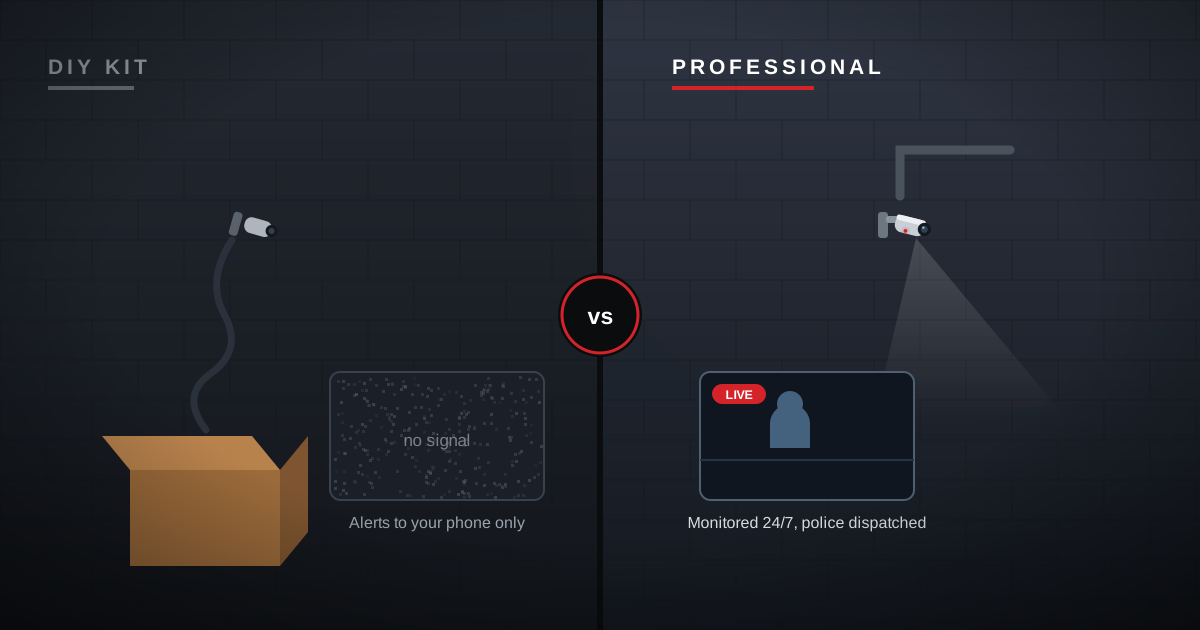
A good answer is specific: the signal arrives, an operator attempts to verify, they call the premises, then the names on your call list in order, then dispatch. Ask how long that normally takes and what happens if nobody answers. Ask whether they can verify with video, which can reduce false dispatch charges.
7. Is fire and environmental monitoring included or extra?
Monitored smoke detection brings the fire department whether or not anyone is home to hear the alarm, and it is often the part of the system that pays for itself. Freeze and water sensors matter in an Ontario winter. Find out what is in the quoted price and what is an add on.
About the contract
8. How long is the agreement, and what happens at the end?
This is where the real money is. A low installation price funded by a long monitoring contract can cost considerably more over five years than paying properly up front. Ask for the total cost over the full term, not the monthly figure. Ask whether it auto renews and for how long.
9. How do I cancel, and what does it cost?
Ask for the cancellation terms in writing before you sign. Also ask what happens if you move, since that is the most common reason people need out.
10. Can the monitoring rate go up during the term?
Some agreements allow annual increases. That is not automatically unreasonable, but you should know about it before you sign rather than in year three.
About the equipment
11. Do I own the equipment, and can another company service it?
This is the question most people never think to ask, and it matters enormously. Some systems are proprietary or locked to one provider, which means that if you ever want to switch, you start from zero. Equipment you own, on an open platform, can be taken over by another company without being ripped off the wall. Ask directly: if I leave in three years, what stays and what works?
12. What does service look like after installation?
Ask who answers the phone when something fails on a Saturday, whether service calls are included or billed, how quickly someone can attend, and whether there is a maintenance plan. A system is a fifteen year relationship, not a one day job.
Signals worth paying attention to
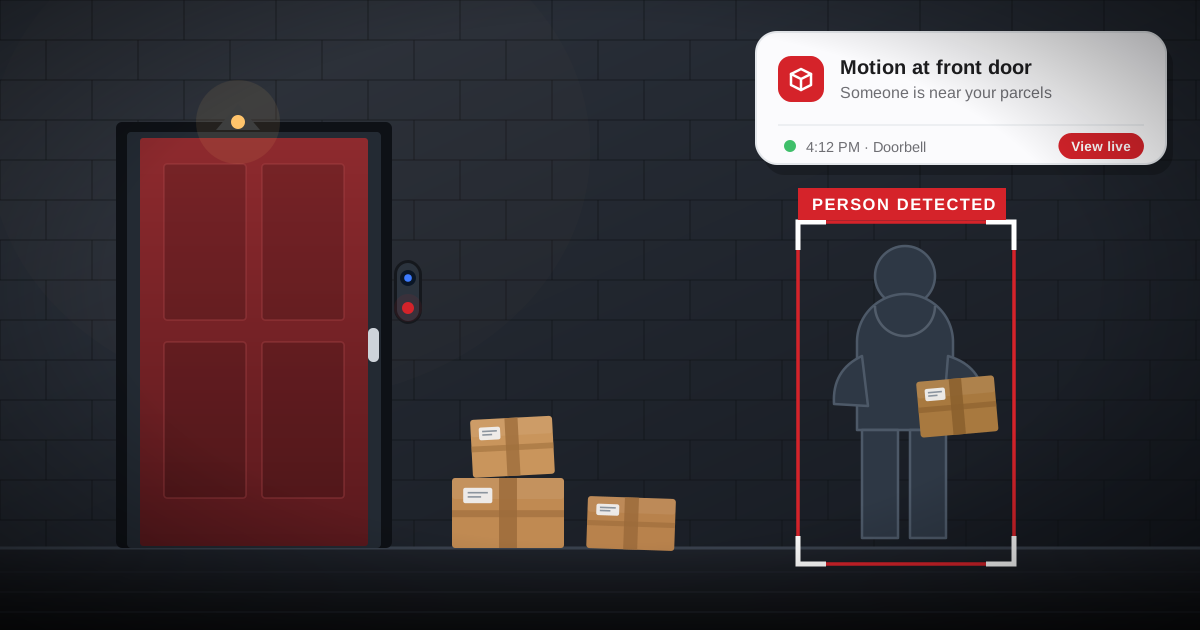
- Pressure at the door. Unsolicited visits claiming your current provider has gone out of business, or that an offer ends tonight, are a long standing problem in this industry. Nothing legitimate expires that evening. Close the door and call the company yourself using a number you looked up.
- Free equipment. It is not free. It is financed inside the monitoring fee, usually over a long term. Sometimes that is still a fair deal, but you should be able to see the arithmetic.
- Reluctance to put things in writing. Any term that only exists verbally does not exist.
- A quote without a site visit. Nobody can design coverage for a property they have not seen. A price given over the phone before anyone has looked at your doors and sight lines is a package, not a plan.
- No references and no reviews. Ask for recent customers in your area, and read their Google reviews, including the unflattering ones and how the company replied.
Where we stand on all twelve
We are a local company based in Elora, we have worked these counties for over thirty years, our own technicians do the installs, and our monitoring runs through accredited receiving centres. We quote a fixed price after a free site visit, not over the phone. You own your equipment, and our takeover service exists precisely because we think a customer who wants to leave a previous provider should be able to keep what they paid for.
If you want to compare that against someone else, please do. A good security company should be comfortable being checked.
Worth reading next: our guide to what security systems actually cost in Ontario, which breaks down the pricing side in detail.
Common questions
What should I look for in a security company in Ontario?
Confirm they are licensed in Ontario and insured, find out who actually performs the installation, check that monitoring runs through an accredited ULC listed receiving centre, and get the full cost over the entire contract term rather than just the monthly fee. Ask whether you own the equipment and whether another company could service it later.
Are long security monitoring contracts normal?
Multi year monitoring agreements are common, particularly where equipment is offered at little or no upfront cost, because the hardware is financed inside the monthly fee. They are not automatically a bad deal, but you should ask for the total cost across the full term and the cancellation terms in writing before signing.
What is a ULC listed monitoring station?
ULC listing is a Canadian accreditation standard for alarm monitoring facilities, covering things like staffing, redundancy and response procedures. Asking which station monitors your alarm and whether it is ULC listed is a reasonable question, and any established provider will answer it directly.
Should I be worried about door to door security sales?
Be cautious. Unsolicited visits that claim your existing provider has gone out of business, or that press you to sign the same evening, are a recognised problem in this industry. Never sign at the door. Take the information, look the company up independently, and call them back on a number you found yourself.
Can another company take over my existing alarm system?
Often yes, depending on whether the equipment is proprietary or built on an open platform. A takeover means a new provider inspects and tests what is already installed and assumes monitoring, usually without replacing the hardware. Ask about this before you buy, because it determines how easily you can change providers later.
Quotes and site visits are always free, and always pressure-free.
Get a free quote