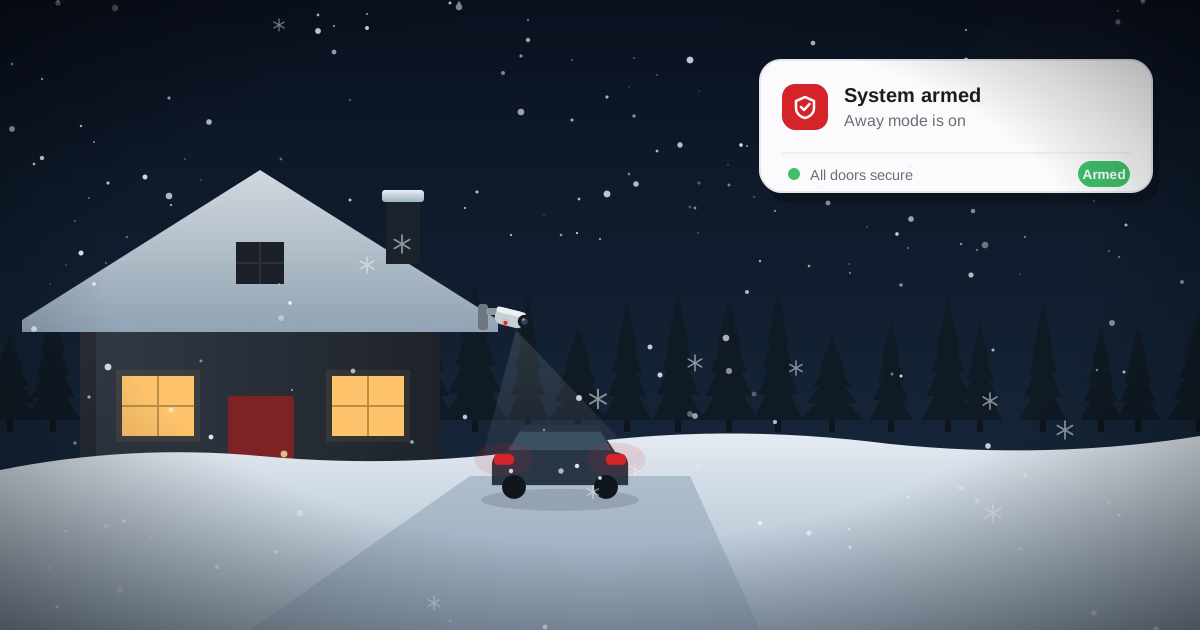
A house does not need to be broken into to cause you a bad holiday. It only needs to sit unattended for ten days while something quietly goes wrong, and in Ontario in December the thing that goes wrong is as likely to involve water as it is a door.
This is the list we run through with customers who tell us they are away over the holidays. Most of it costs nothing.
First, understand what makes a house look empty
Nobody walks down a street checking for alarm stickers. What they notice is the pattern:
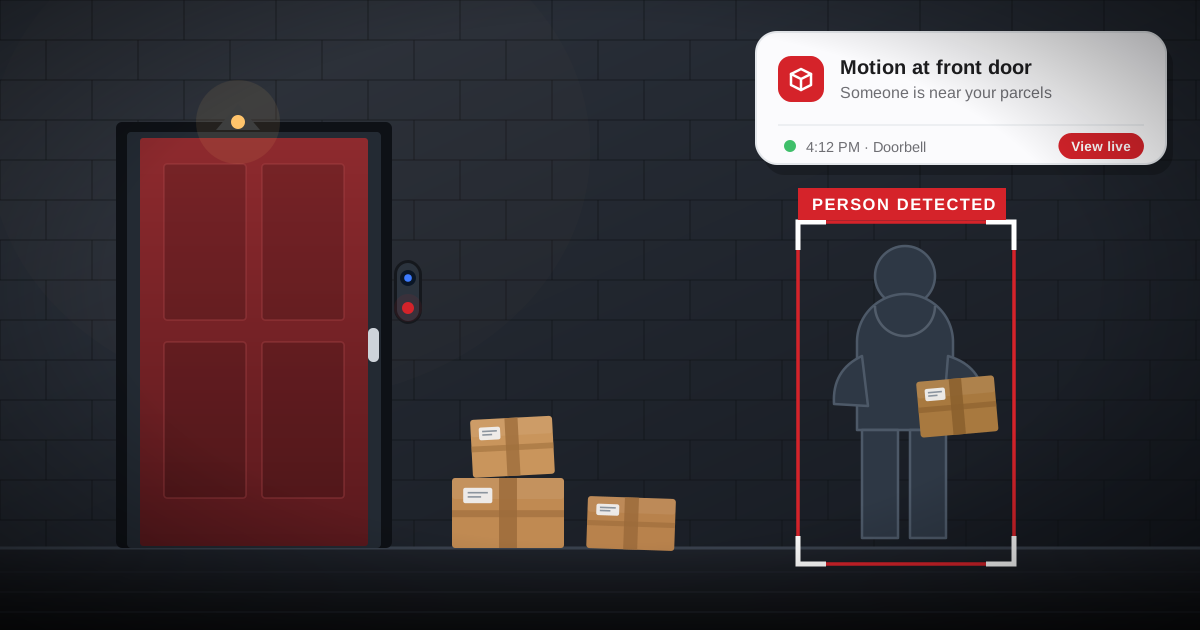
- Flyers and newspapers piling up at the door
- A driveway and walk that stay unshovelled after a snowfall while every other house on the street is cleared
- No tyre tracks or footprints in fresh snow
- Exactly the same lamp on at exactly the same hours, or no lights at all
- Blinds in precisely the same position for a week
- Bins that never go out, or go out and never come back in
Most of the work of protecting an empty house is just breaking that pattern.
Two weeks before you go
- Arrange snow clearing and make sure whoever is doing it knows you want it done even when nobody is home. In an Ontario December this is the single most visible signal that a house is occupied.
- Hold the mail, or ask a neighbour to collect everything including flyers tucked in the door.
- Service anything that could fail. If the furnace has been making a noise since October, now is the time, not the week you are away.
- Check your monitoring call list. If the emergency contact is a sibling who moved two years ago, fix it before you leave. Add whoever is checking the house, and make sure they know the passcode.
The week before
- Set lights on varied schedules. A single timer that clicks on at 6:00 every evening reads as a timer. Several lights on randomised or staggered schedules in rooms people actually use reads as a household. Smart bulbs and plugs do this well and cost very little.
- Test the alarm properly. Walk every sensor, confirm each one reports, and let the monitoring station know you are testing first so it does not become a dispatch.
- Look at your cameras after dark. Not at noon. At nine at night, which is when you will actually be checking them from somewhere else.
- Charge and check the app on whatever phone is travelling with you, and make sure notifications are on and not muted.
The winter risks that actually cause claims
Theft is what people picture. Water is what insurers pay out on.
- Do not turn the heat off. Set it back, do not shut it down. Somewhere around 15 to 17 degrees keeps pipes in exterior walls out of trouble while still saving energy. Shutting the furnace off entirely in an Ontario January is how basements flood.
- Open the cabinet doors under sinks on exterior walls so warm air reaches the plumbing.
- Shut off the water if you are gone more than a few days and nothing needs it, then drain the taps. If you have a sprinkler system or a boiler, check with whoever services it first.
- Add monitored freeze and water sensors. This is the upgrade worth making before a long trip. A sensor in the basement, by the washer and near the water heater costs very little and turns a flooded house into a phone call. If your heating fails on December 27th, you want to know on December 27th.
- Check the sump pump, and if your area loses power in ice storms, consider a battery backup for it. Our guide on security systems in a power outage covers what else stops working.
The day you leave
- Lock everything, including the door between the garage and the house, the garage side door, and any gate
- Unplug the garage door opener or use its vacation lock if it has one
- Put valuables, spare keys and documents somewhere that is not the primary bedroom, which is the first place anyone looks
- Move anything appealing out of sight of windows
- Take a quick photo walk through the house, which takes five minutes and makes any insurance claim far easier
- Arm the system in away mode and confirm it reports
Keep it off social media until you are home
Posting from the airport tells everyone who follows you, and everyone they have shared with, exactly how long the house will be empty. Post the photos when you get back. They will be just as good in January.
The same applies to automatic replies. An out of office that says you are away until the 5th and gives a personal mobile number is more information than a stranger needs.
Have an actual human check in
Cameras tell you something is wrong. A person can do something about it. Ask a neighbour, a family member or a house sitter to come in every few days, move the blinds, bring the bins back, leave a different set of footprints. Give them the alarm code and the passcode, and tell your monitoring station who they are.
If you want to be generous about it, leave something in the fridge. People check more often when there is a reason to.
Why monitoring matters more when you are far away
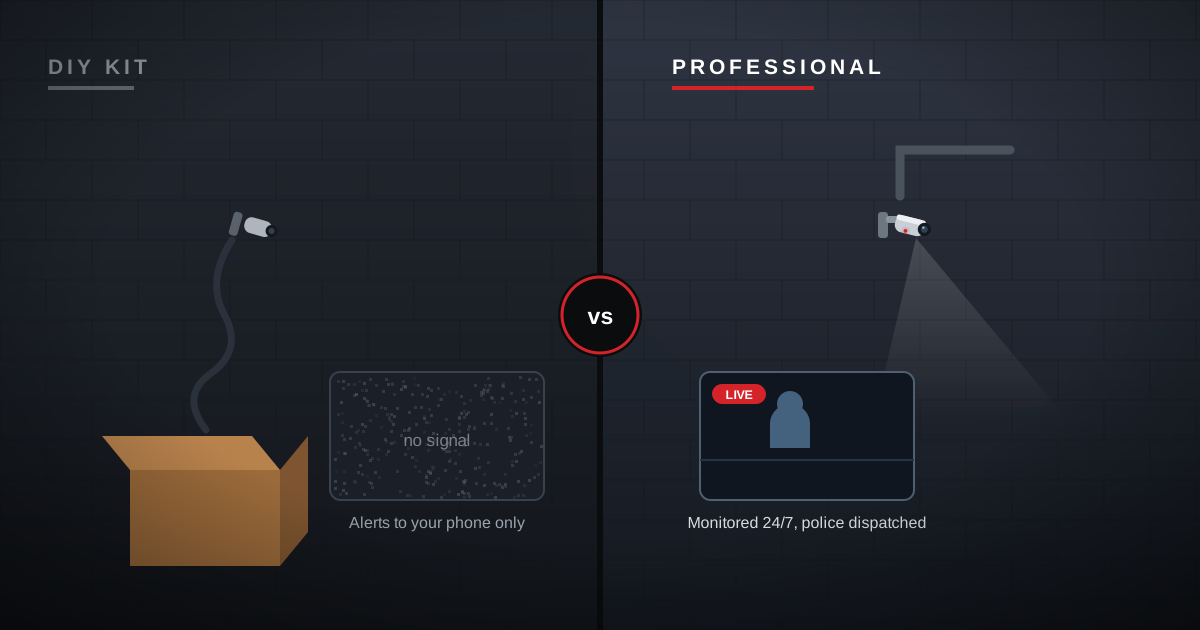
At home, an alarm is a siren that wakes you up. Eight hours away, an alarm is only useful if someone answers it. A monitored system means an operator verifies the signal and dispatches police, fire or an emergency contact while you are in a different time zone and your phone is in airplane mode. That gap is the entire argument for monitoring, and the holidays are when it shows.
If you are closing up a seasonal property rather than your main home, our guide to keeping a cottage safe all winter goes further on the long vacancy problem.
Common questions
What temperature should I leave my house at when away in winter?
Set the thermostat back rather than off. Around 15 to 17 degrees Celsius is a common recommendation: it saves energy while keeping pipes in exterior walls above freezing. Turning the heat off entirely during an Ontario winter is how burst pipes and flooded basements happen.
Should I stop my mail when I go away?
Yes, and remember flyers. Canada Post offers a hold mail service, but unaddressed flyers and local papers still arrive and are the most visible sign of an empty house. Having a neighbour clear the door every few days covers both.
Do light timers really help?
They help if they look like a household rather than a timer. One lamp switching on at the same minute every evening is a recognisable pattern. Several lights on staggered or randomised schedules across rooms people actually use is much more convincing, and smart plugs make this inexpensive.
What is the most useful security upgrade before a holiday trip?
Monitored freeze and water detection, for most Ontario homes. Water damage from frozen pipes and heating failures is the most common and most expensive thing that happens to an unoccupied house in winter, and the sensors are inexpensive to add to an existing alarm panel.
Is it safe to post holiday photos while I am away?
It is safer to wait. Posting while travelling tells everyone who sees it, and anyone they share with, that your home is empty and for how long. Posting the same photos after you return carries none of that risk.
Quotes and site visits are always free, and always pressure-free.
Get a free quote